How to store a card collection in a binder
A binder is often the nicest way to live with a collection. You can see the cards in order, notice what is missing, and enjoy them without handling each one.
The binder itself matters, but so does the way you fill and store it. Here is a simple setup that works well for most collections.
Choose ringless pages
Traditional office binders were not designed for trading cards. When they are overfilled or stored badly, metal rings can press into the pages near the spine.
A ringless binder with fixed pages removes that risk. Look for pages that sit flat when open and do not pull tightly at the centre.
Side-loading pockets are useful because the opening faces the spine rather than the top edge. This makes it harder for cards to slip out while the binder is being carried.
Sleeve cards before placing them
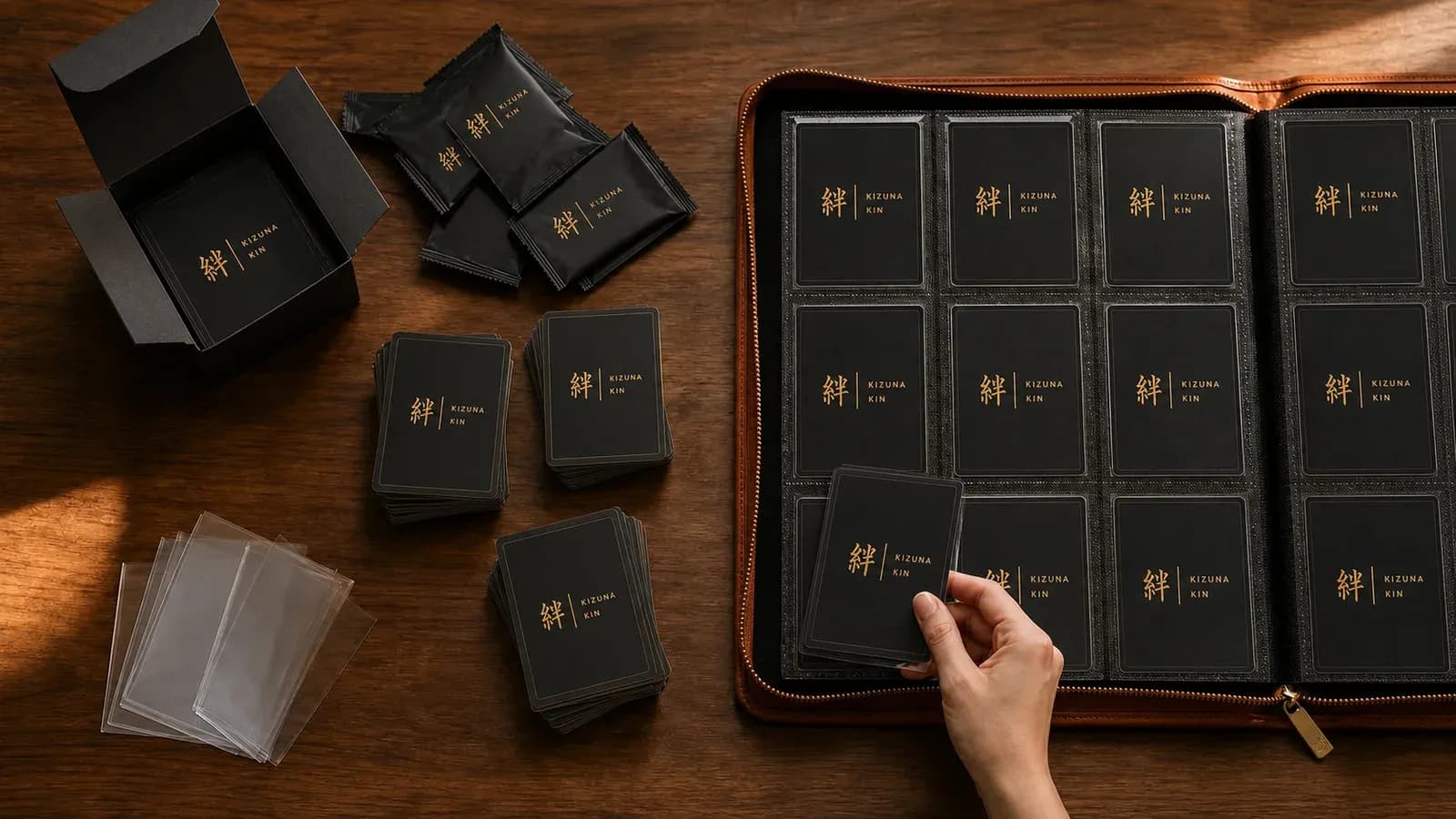
A soft, PVC-free sleeve adds a layer between the card and the pocket. It also makes it easier to move a card without touching the surface.
Insert the sleeved card gently. If it catches or needs pressure, stop and check the sleeve size. A pocket should hold the card neatly without bending it.
Use one card per pocket. Doubling cards may save space, but it makes the pocket tight and puts both surfaces at risk.
Give the pages room to move
A binder should close without the pages bunching or bowing. If the cover needs to be pressed down, it is too full.
This is especially important when thicker cards or double sleeves are used. Capacity numbers are normally based on standard cards in standard sleeves, so treat the advertised maximum as a limit rather than a target.
Build an order that feels natural
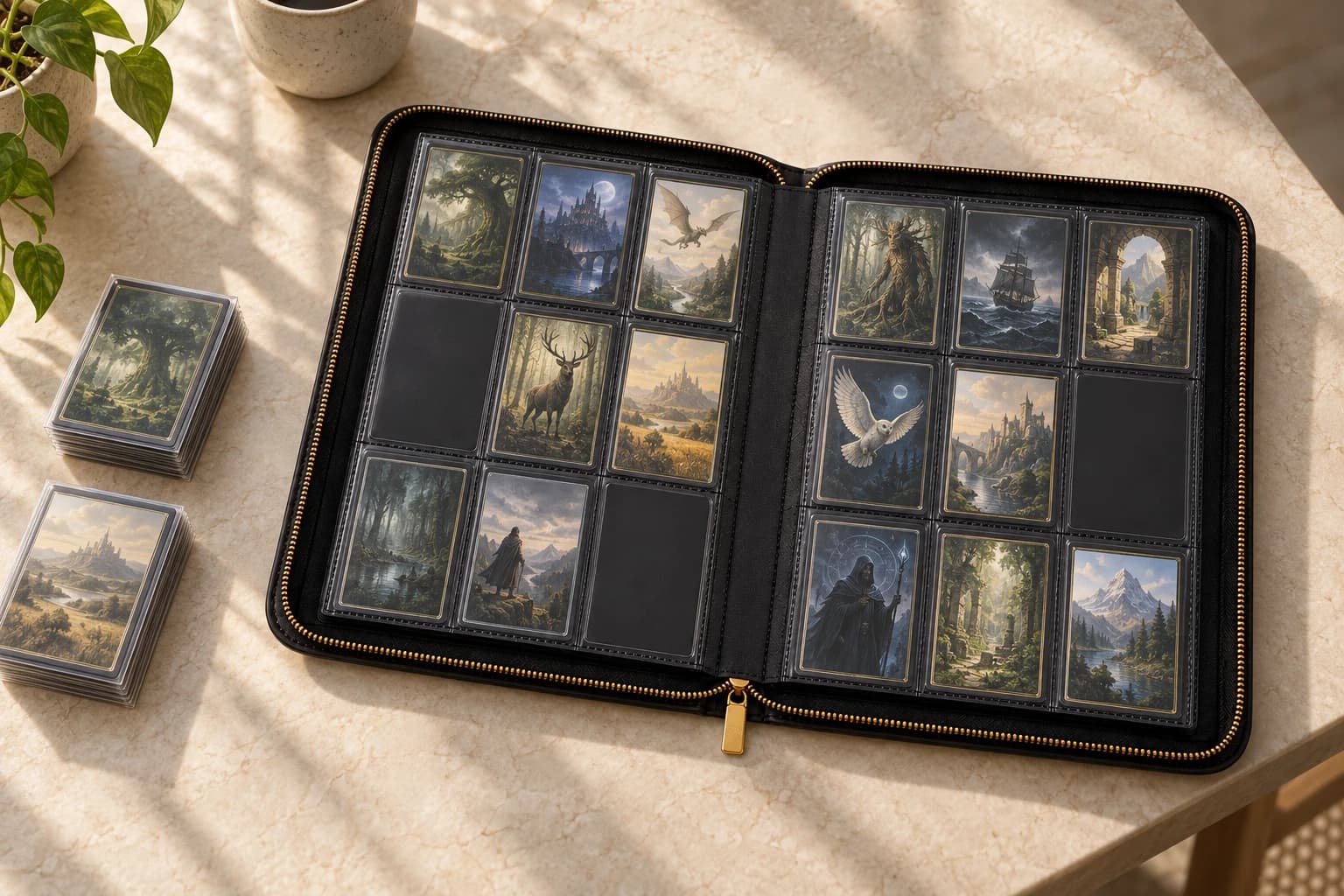
There is no correct way to arrange a personal collection. Set order works well for completionists. Other collectors prefer character, artist, colour, year, or simply the order in which the cards were found.
Leave a few empty pockets if the collection is still growing. It is easier than moving every card when a missing piece finally arrives.
For larger collections, a small note in your phone or spreadsheet can record which binder holds each set. The system only needs to be useful to you.
Store the binder with care
Keep it in a cool, dry room and away from direct sunlight. On a shelf, support it upright so it does not lean. Laying it flat is also fine, but avoid making a tall stack that places weight on the lowest binder.
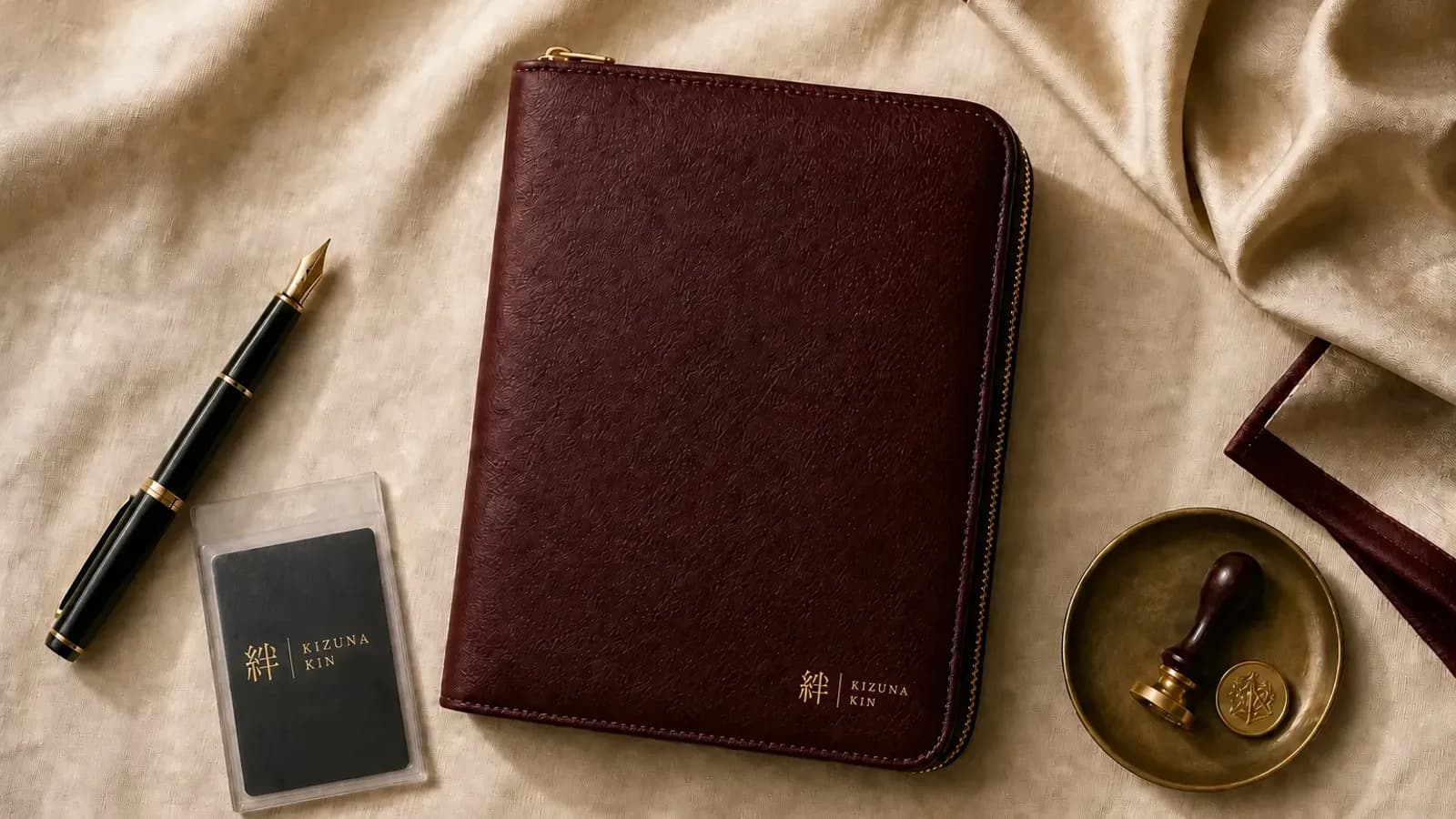
A zip closure helps keep out dust and protects the page edges while the binder is moved. It is useful protection, but the binder should still be kept away from spills and damp rooms.
The best binder setup is not elaborate. Safe pages, clean sleeves, a little space, and careful shelving are enough to keep the collection easy to enjoy and easy to care for.