What to do after opening a booster box
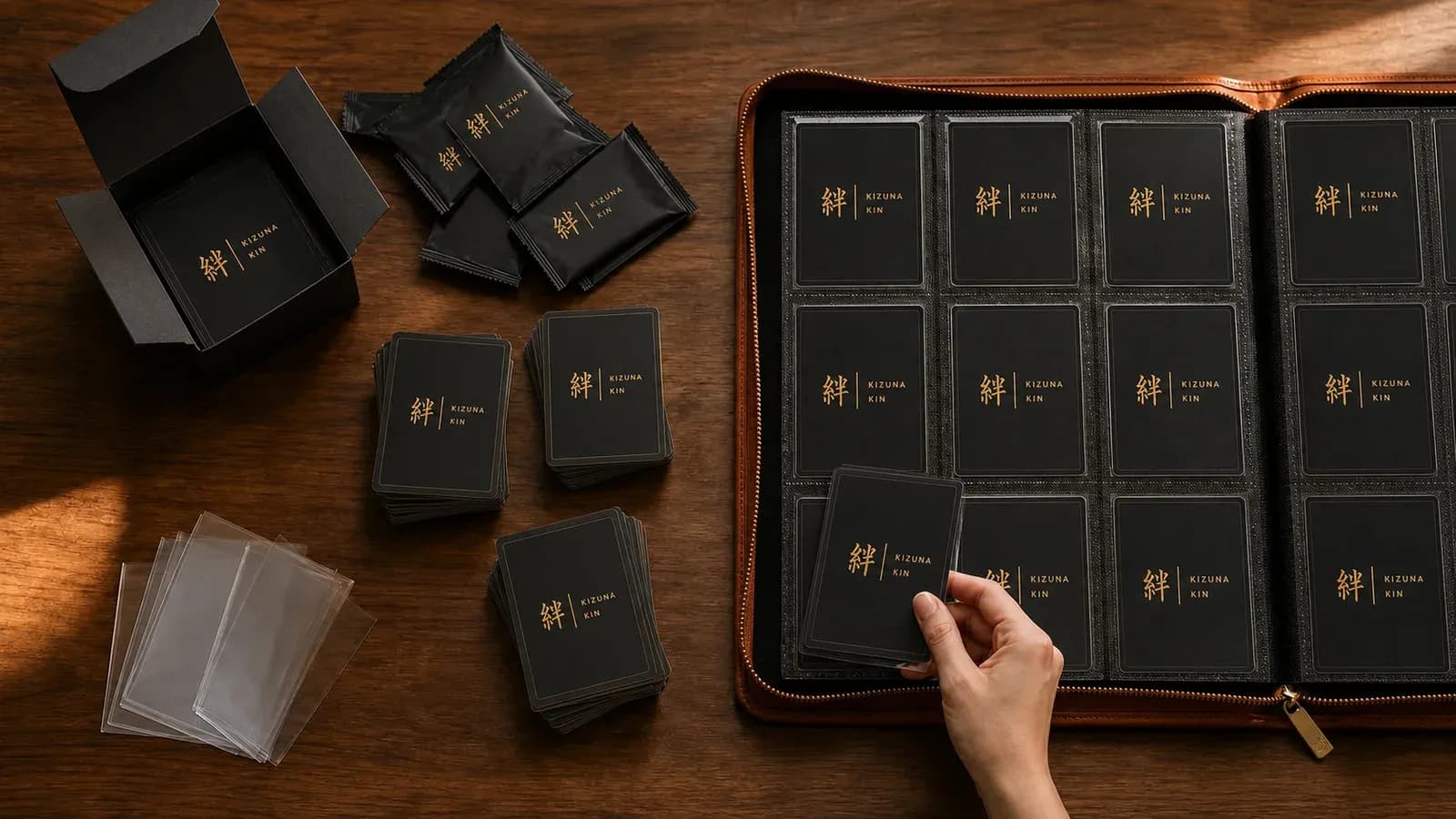
Opening the packs is the exciting part. The moment after can be less obvious: wrappers are everywhere, cards are spread across the table, and the best pull is sitting closer to a cup of coffee than it should be.
A simple post-opening routine protects the cards without turning the hobby into administration. It also helps you see what the box actually added to your collection. The goal is not to catalogue every common before you enjoy the pulls. It is to move from a loose stack to a collection you can understand.
Clear a safe working area first
Before sorting, move drinks, food, keys, and anything with a hard edge away from the cards. Keep the playmat or table surface clean and dry. If a card has picked up a small piece of foil or dust, lift it by the edges rather than wiping the face with a sleeve or cloth.
Put the empty packs and box to one side. Keeping the packaging separate prevents a good card from disappearing into a wrapper, and it gives you one clear area for the cards themselves.
Make a quick first pass
Start with broad groups instead of trying to decide the final home of every card. A useful first pass is:
- Cards you immediately want to keep or inspect more closely
- Cards that belong in the set or deck you are building
- Duplicates that may be useful for trading or play
- Ordinary bulk
This first pass should be fast. A card can move between groups later. The point is to separate the cards that need attention from the cards that can safely wait.
Sleeve the cards you care about
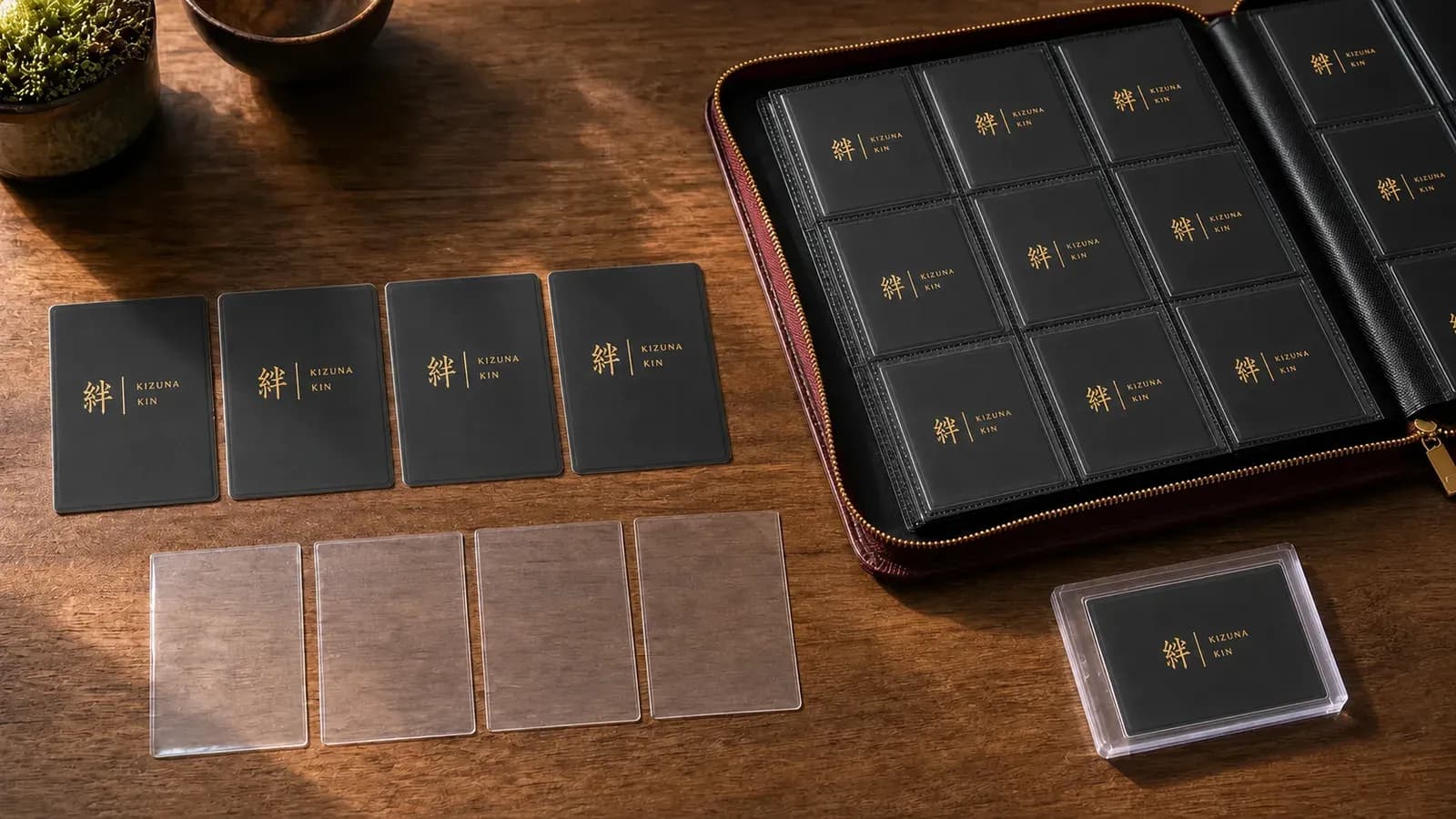
Sleeve the strongest pulls, favourite artwork, foils, and cards intended for a long-term collection before doing more sorting. Hold each card by the edges and guide it into the sleeve without pressing on a corner. If the sleeve catches, stop and realign it rather than forcing the card downward.
A standard soft sleeve is usually enough before a card enters a compatible binder pocket. Cards that are unusually valuable, condition-sensitive, or being prepared for grading may need a different storage route. Our guide to protecting expensive trading cards explains when a binder, toploader, or rigid holder makes more sense.
Separate excitement from condition
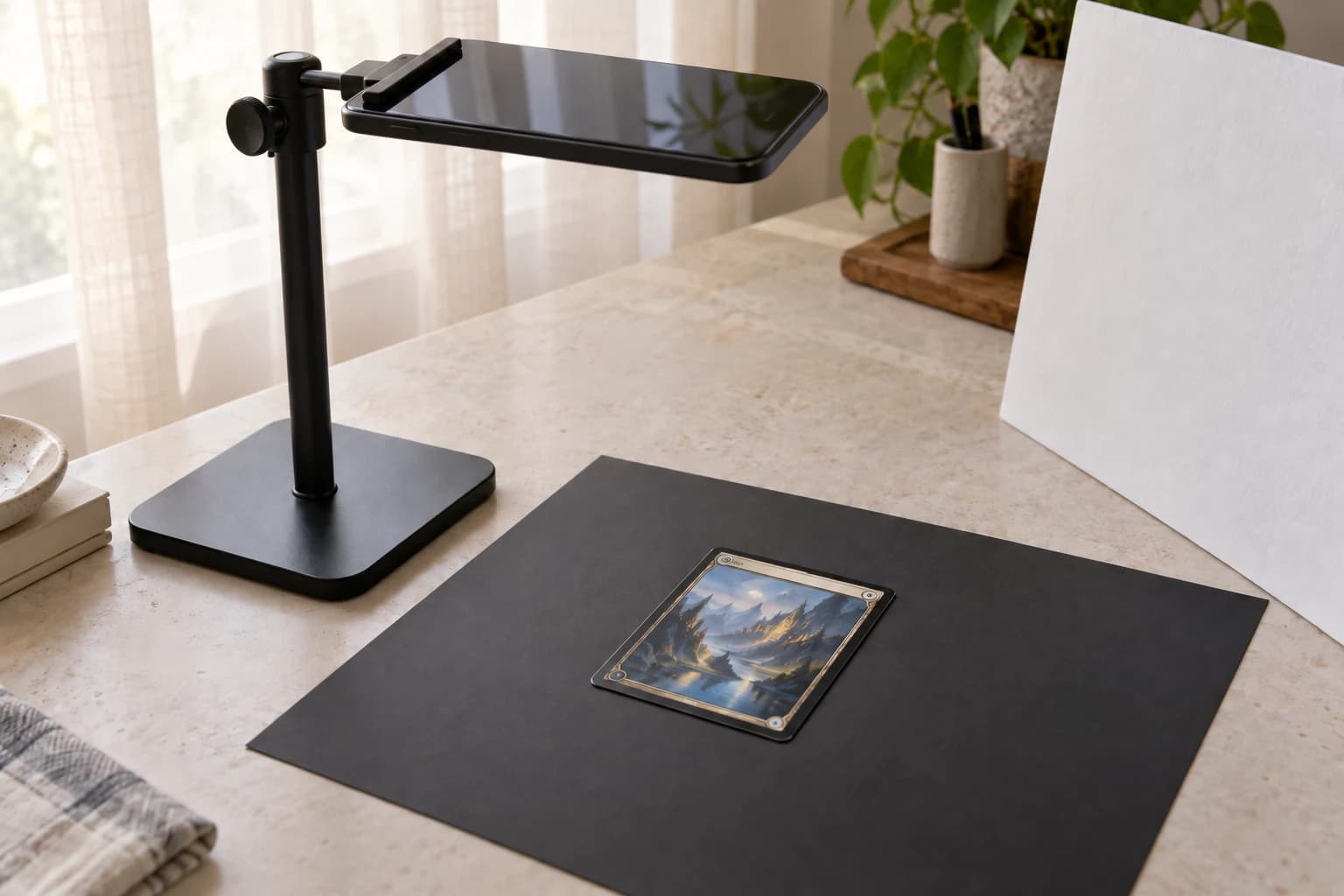
A visually impressive card is not automatically the most valuable card in the box, and a valuable card is not automatically in perfect condition. Look at the front and back under soft, indirect light. Check the corners, edges, surface, and centering without repeatedly handling the card.
If you plan to research prices, finish protecting and sorting first. Use recent sold listings for the exact language, set number, and variation rather than relying on an optimistic asking price. The card can wait safely in a sleeve while you confirm what it is.
Put set cards into checklist order
If the box is the start of a master set, use the official set checklist and sort by card number. Make a separate stack for parallel versions, alternate artwork, or other cards that sit outside the base sequence. This prevents the binder from being reorganized every time you notice a variation.
Do not feel obliged to fill every possible version. Decide what complete means for your collection before the chase becomes open-ended. The 360-pocket master-set guide shows how to map a set, reserve space, and handle overflow before inserting the first card.
Decide what earns a binder pocket
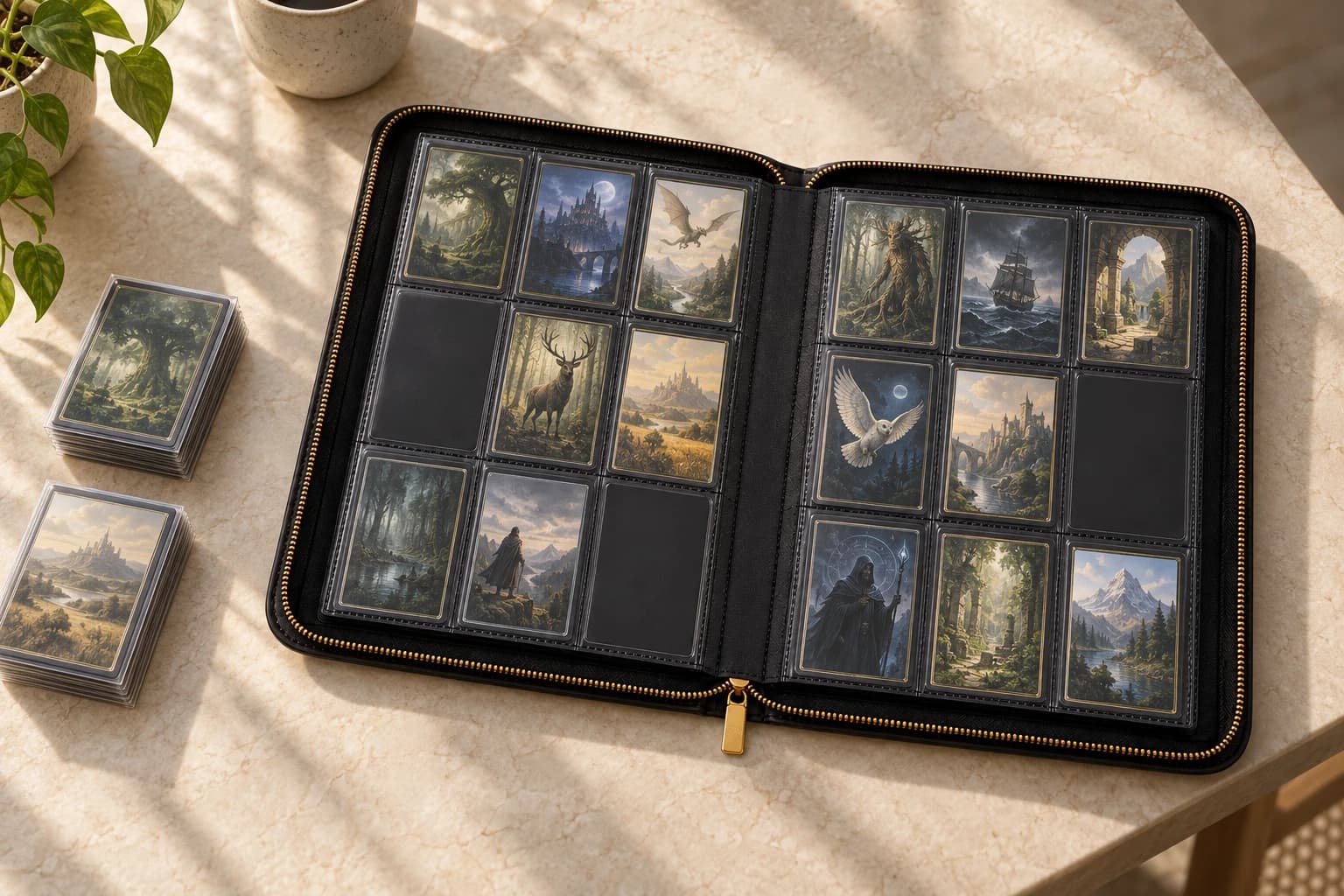
A binder works best when it represents a collection, not every card that happened to be in the box. You might give pockets to the numbered set, one copy of each character or player, favourite artwork, or the cards connected to a specific deck. Duplicates do not need to sit behind the display copy.
Insert cards only after the order is clear. If the binder is side-loading, keep it flat on the table and slide the sleeved card in with low resistance. The card should sit squarely without bowing the page or pressing into the pocket seam.
For Pokémon collections, how to store Pokémon cards covers sleeves, binders, rigid protection, and the difference between display cards and play copies.
Give duplicates a separate system
Keep one clean copy for the collection, then divide useful duplicates from true bulk. Playable cards, favourite characters, popular players, and tradeable parallels are easier to find in a small labelled box than mixed into thousands of commons.
Bulk storage does not need to be elaborate. The cards should stand straight, stay dry, and avoid excess movement. Use dividers for set, colour, team, or card type. Avoid rubber bands, loose overfilled bags, or boxes so large that cards slump at an angle.
Record what the box changed
Before packing everything away, update a checklist or note the missing cards. This can be a spreadsheet, an app, or a paper list kept with the binder. Record only what will help the next decision: the gaps in the set, duplicates worth trading, and cards that need a different protector.
This step is especially useful when one collection grows across several volumes. A consistent naming system makes it much easier to find a card later. See how to organize trading cards across multiple binders for a system that can grow without constant reshuffling.
Finish with a five-minute reset
Close the binder only after every card is seated flat. Return duplicates and bulk to their boxes, recycle or store the packaging you actually want to keep, and put the collection back in a cool, dry place away from direct sunlight.
The best routine is the one you will repeat. A booster box does not need to become a perfect archive in one evening. Protect the important cards, give the new collection a clear structure, and leave yourself an easy starting point for the next opening.