How to buy trading cards online without getting burned
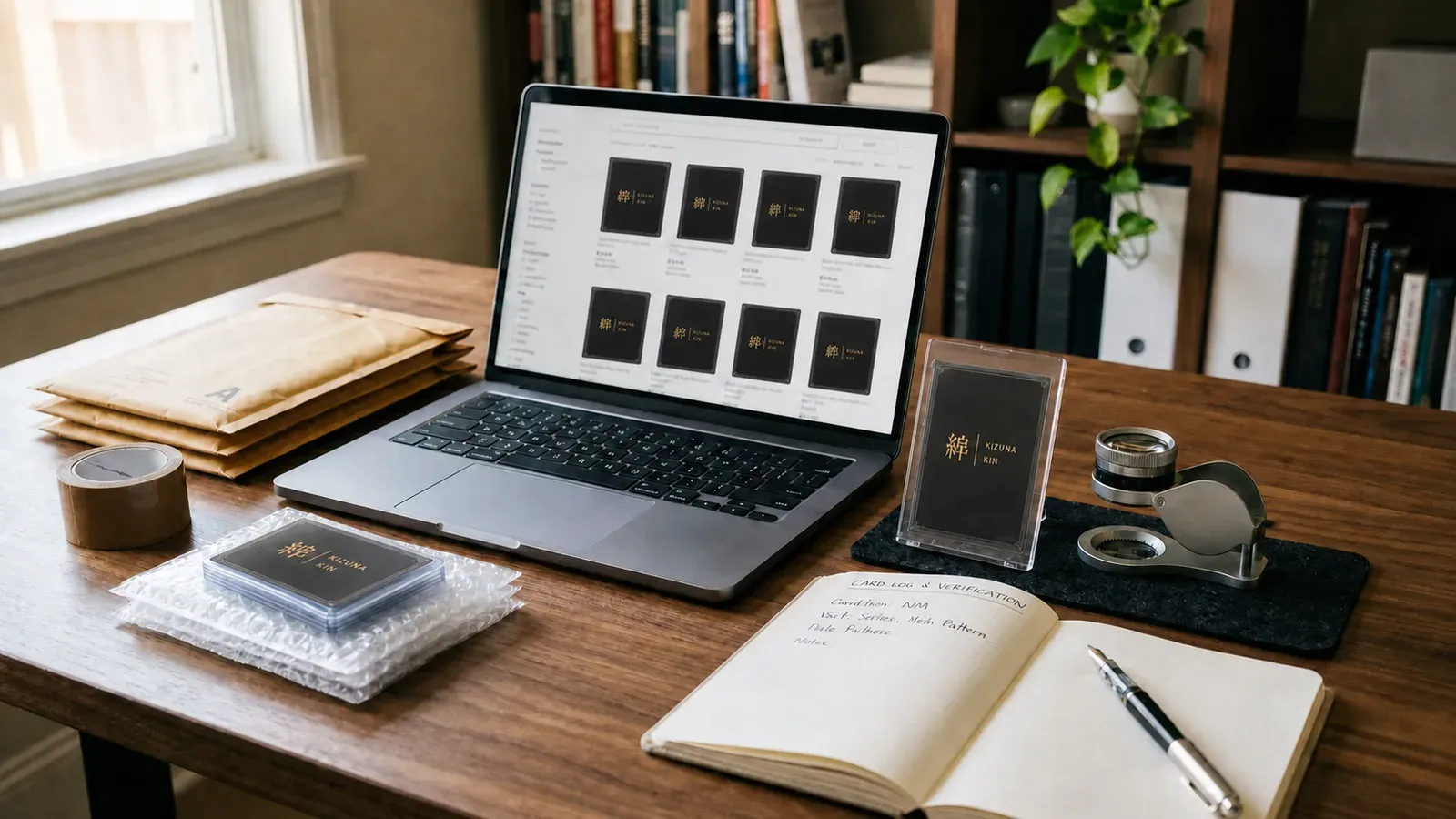
Buying trading cards online gives you access to almost anything: rare singles, graded cards, sealed boxes, foreign-language prints, and the one card missing from a page. It also removes the thing collectors rely on most in person: seeing the card clearly before money changes hands.
That does not mean online buying is unsafe. It means you need a slower checklist.
Know exactly what you are buying
Before looking at price, confirm the card itself. Similar cards can vary by set, print run, language, parallel, foil treatment, stamp, number, and condition. A listing title can be incomplete or wrong, so use the photos and details rather than the title alone.
Check the basics:
- Card name, set, and card number.
- Language and region.
- Holo, reverse holo, refractor, parallel, or special finish.
- First edition, unlimited, promo, or reprint status.
- Grading company and certification number if slabbed.
- Whether the photo shows the actual card or a stock image.
If the listing uses only a stock image for a raw card, be careful. You are not buying the idea of the card. You are buying that exact piece of cardboard.
Read condition words conservatively
Condition language is not universal. One seller’s “near mint” can be another collector’s “lightly played.” Instead of trusting the phrase, look for evidence.
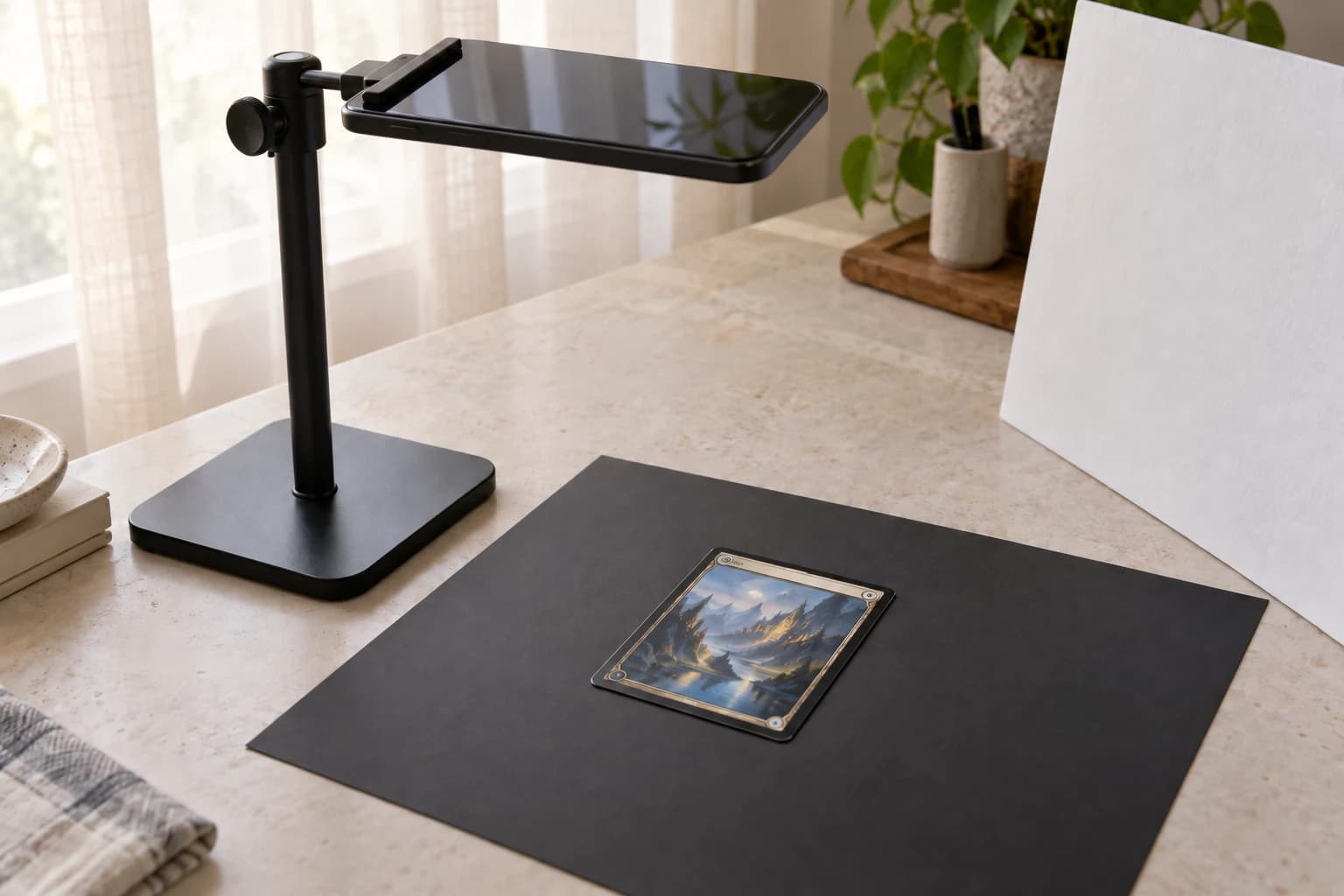
Good listings show clear front and back photos, corners, edges, surface, and any flaws. For expensive cards, ask for extra images under angled light. Scratches, dents, print lines, whitening, binder dents, and surface impressions can disappear in soft lighting.
Treat vague condition language as a reason to slow down:
- “Looks mint to me.”
- “Should grade high.”
- “Fresh pull” with poor photos.
- “No returns, see photos” when the photos are not clear.
- “Small mark” without showing the mark properly.
Fresh pull does not mean perfect. Pack-fresh cards can still have print lines, edge chips, poor centering, or dents.
Check the seller, not just the card
A good card from a careless seller is still a risk. Look at seller history, completed sales, feedback, account age, and whether they usually sell trading cards. A seller who understands cards is more likely to describe condition, pack carefully, and answer questions clearly.
Be cautious with accounts that have no history, repeated complaints about condition, copied photos, inconsistent pricing, or pressure to move the sale outside the platform. If a platform offers buyer protection, use it. Saving a small fee is rarely worth losing the protection on an expensive card.
Compare price against real sales
Asking price is not market value. Compare recent sold listings where possible, and compare like with like: same card, same condition, same language, same grade, same certification company, same variant.
A price far below market is not automatically a deal. It may be a damaged card, a fake, a misleading listing, a stolen photo, or a seller who does not know what they have. Sometimes it is genuinely underpriced, but the bigger the discount, the more carefully you should check.
For graded cards, confirm the cert number with the grading company and make sure the label, card, and holder match the listing photos.
Ask simple questions before buying
You do not need to interrogate the seller. A few direct questions can prevent most surprises:
- Are the photos of the exact card for sale?
- Are there any dents, creases, surface scratches, or impressions not visible in the photos?
- Can you send front and back photos under angled light?
- How will the card be packed?
- Is the card from a smoke-free or damp-free storage environment?
- For sealed product, are there any tears, dents, loose wrap, or reseal concerns?
Good sellers usually answer plainly. Evasive answers are information too.
Think about shipping before you pay
A card can be accurately listed and still arrive damaged. Shipping method matters, especially for raw cards, expensive cards, slabs, and sealed product.
For raw singles, the baseline is a sleeve, rigid holder, team bag or sealed protection, cardboard support, and a mailer or box suitable for the value. For slabs, the case should be wrapped so it cannot rattle or crack. For sealed boxes, corners need padding and the product should not move inside the outer box.
If the card is valuable, use tracking. If it is very valuable, consider insurance and signature confirmation. The more the card matters, the less sense it makes to rely on the cheapest shipping option.
For sending cards yourself, the same logic applies in reverse. We covered a careful movement routine in how to travel with trading cards safely.
Be careful with sealed product
Sealed product is harder to judge online because the packaging is part of the condition. Ask for photos of all sides, corners, seams, shrink wrap, labels, and any dents or tears. For older products, ask whether there are signs of loose wrap, re-gluing, crushing, fading, or moisture damage.
A sealed box can be genuine and still be a poor copy if the corners are crushed or the wrap is torn. If you care about long-term storage or display value, packaging condition matters. See how to store sealed trading card products for what to protect after it arrives.
Know when to walk away
The hardest part of buying online is accepting that another copy will usually appear. Scarcity makes collectors hurry. Hurrying is when mistakes happen.
Walk away if the photos are unclear, the seller will not answer reasonable questions, the price is strange without explanation, the listing details do not match the images, or the seller pushes you to pay in a way that removes protection.
The best online purchase is the one you can still feel calm about after checking the details.
Inspect the card when it arrives
Open the package carefully and keep the packaging until you have checked the card. Compare it with the listing photos. Look at the front, back, corners, edges, and surface under good light. For graded cards, check the slab, label, and certification. For sealed product, check corners, wrap, seams, and dents before removing any protective packaging.
If there is a problem, document it immediately with photos and contact the seller through the platform. Be factual and clear.
A simple online buying checklist
Before buying, run through the list:
- Confirm the exact card, set, language, variant, and condition.
- Make sure photos show the actual item.
- Check front, back, corners, edges, and surface.
- Review seller history and feedback.
- Compare against recent sold prices, not only asking prices.
- Ask for extra photos when condition matters.
- Confirm packing and shipping method.
- Keep buyer protection for expensive purchases.
- Inspect the item as soon as it arrives.
Buying online works best when you are patient. The goal is not to remove every risk; that is impossible. The goal is to make the risk visible before you buy. Good photos, clear condition, a reliable seller, and careful shipping turn an online listing from a guess into a decision.