How to travel with trading cards safely
Trading cards are at their most vulnerable when they leave the shelf. At home, the collection has a place. In a bag, car, hotel room, convention hall, or airport tray, it has to deal with movement, pressure, heat, humidity, and hurried hands. Travel does not need to be risky, but it does need a better plan than dropping a binder into a backpack.
The aim is to keep cards flat, still, dry, and easy to account for from the moment they leave home until they return.
Decide what actually needs to come
The safest card is the one you do not travel with. Before packing, separate the collection into what you need for the trip and what can stay home. A card show, trade night, grading submission, or game weekend all call for different choices.
Bring the smallest useful set:
- Trade stock you are comfortable handling.
- Cards you plan to grade, sell, or show.
- A few favourites if the trip is about sharing the collection.
- A simple inventory of anything valuable.
Avoid carrying the whole collection unless there is a clear reason. Less volume means less weight, less pressure, and fewer cards to track.
Sleeve and separate before packing
Travel rewards preparation. Do not wait until you are at the venue to sort cards into sleeves or holders. Do it at a clean table before you leave.
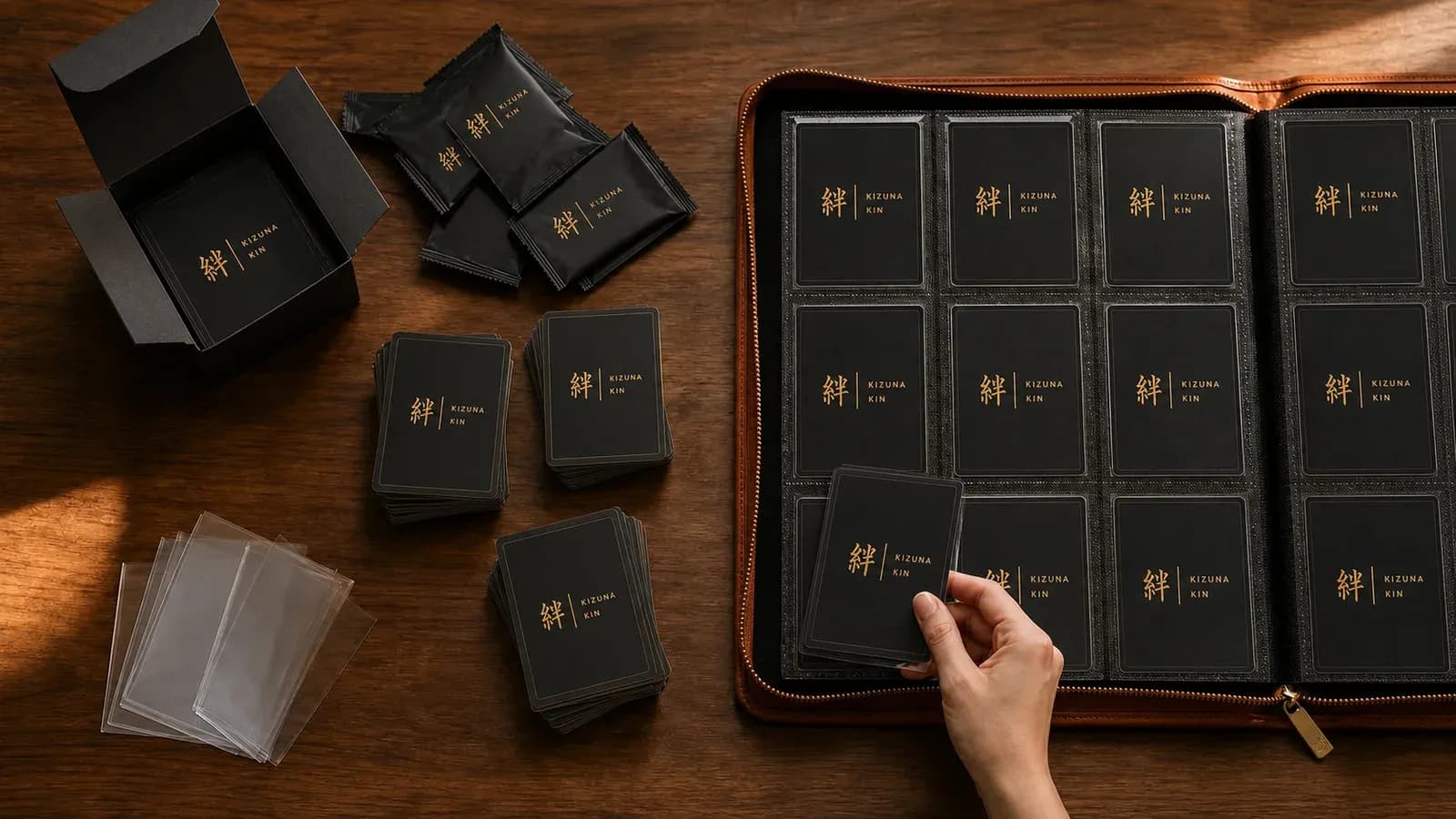
Raw cards should be sleeved first. Valuable raw cards should then go into a semi-rigid holder, toploader, magnetic case, or a secure binder page depending on how they will be used. Graded cards should go into slab sleeves so the case does not pick up scratches from other holders.
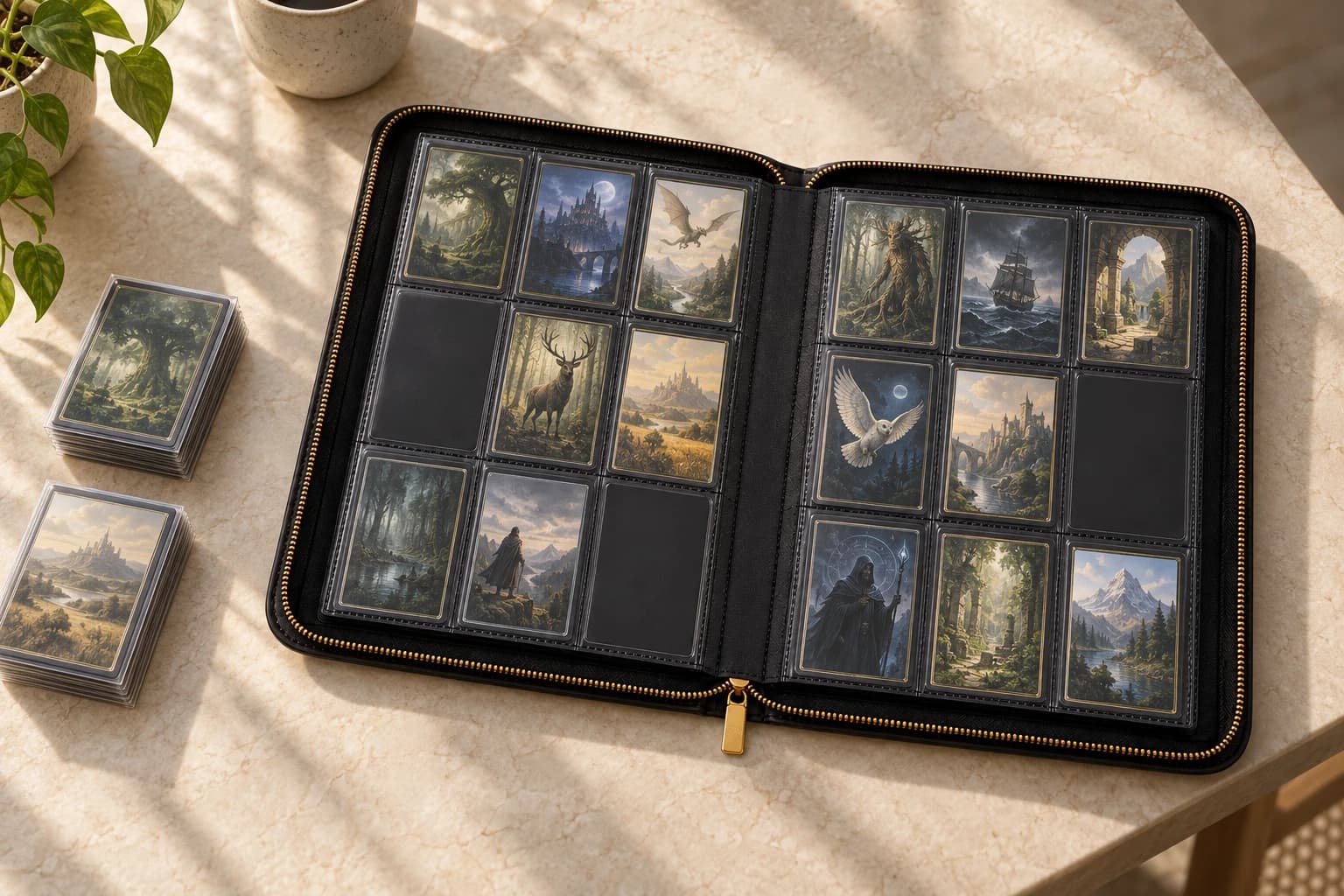
If you are carrying cards in a binder, use one card per pocket and make sure every pocket closes cleanly. Side-loading pages are useful because the card is less likely to slide out when the binder is moved, tilted, or opened on a crowded table. For the storage side of that decision, see how to store a card collection in a binder.
Choose the right carrier
A soft backpack is convenient, but it gives little protection against pressure. The safest carrier has structure: a rigid compartment, a hard case, or a padded section that keeps the cards from bending when the bag is set down.
For binders, pack them flat or upright with support on both sides. Do not leave a binder leaning diagonally inside a half-empty bag, where the pages can sag and the cards can shift. For slabs and toploaders, use a fitted box or case so the holders cannot slide against each other.
The carrier should do three things well:
- Hold the cards square, without bending.
- Stop holders from rubbing or rattling.
- Keep the collection easy to remove without dumping everything out.
Loose stacks are the mistake to avoid. Even sleeved cards can pick up corner wear when they move as a stack.
Keep cards away from heat and damp
Travel creates climate problems quickly. A car boot can get hot enough to warp holders and soften adhesives. A bag left near a window can heat unevenly. A damp hotel room or rainy walk can put moisture into boxes, sleeves, and pages.
Keep cards with you in a stable part of the journey. Do not leave them in a parked car. Do not check them into airline luggage if the cards are valuable. Avoid storing them against a cold exterior wall overnight, and keep drinks, wet coats, and toiletries in a separate bag.
A small silica-gel pack in a sealed case can help during a damp trip, but it is not a cure for careless storage. The basics still matter: cool, dry, shaded, and stable.
Pack for airport and public travel
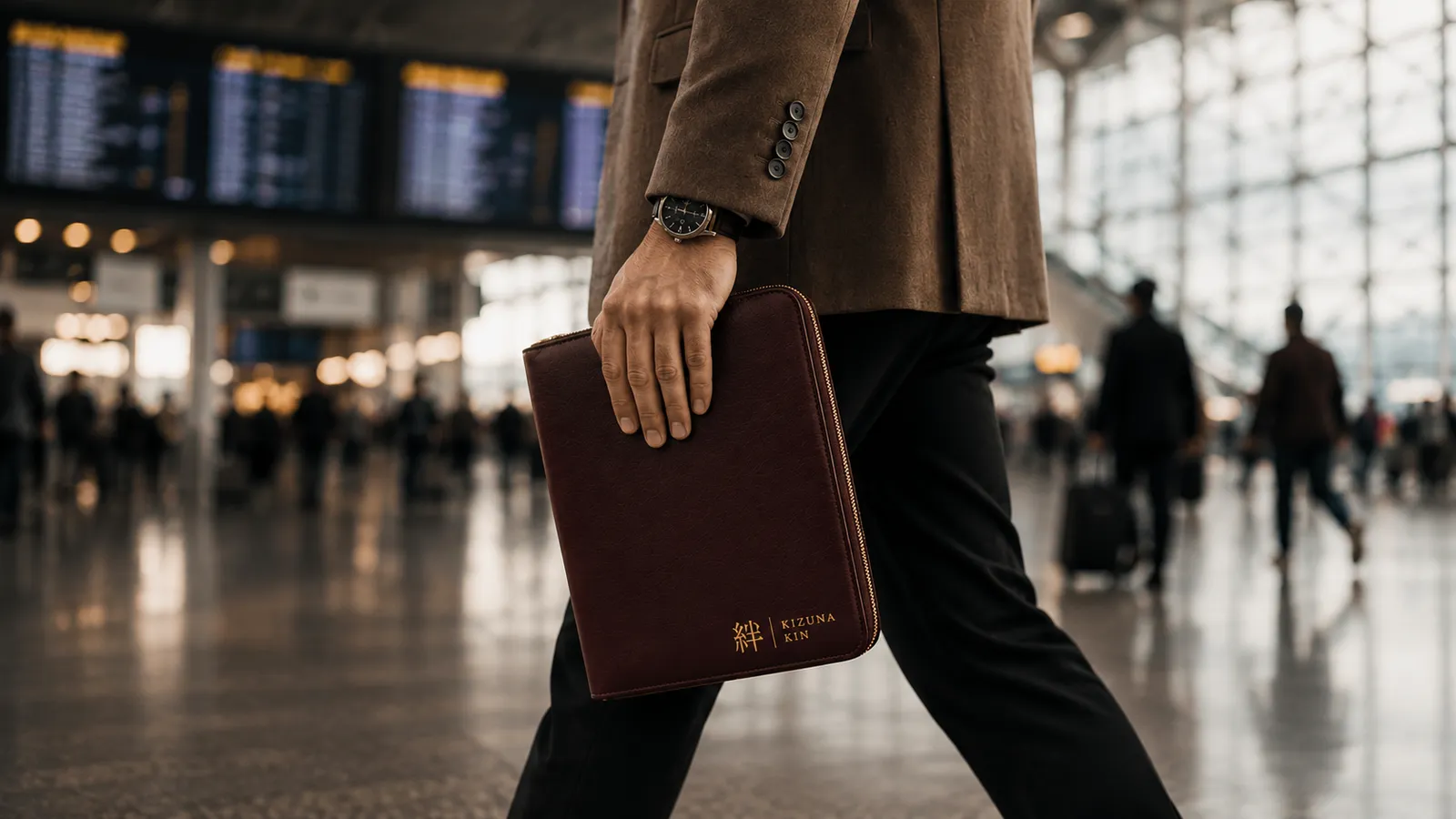
If you are flying, assume the bag may be opened, turned, and repacked. Use clear organisation so security checks do not become a messy handling session. Keep valuable cards in your carry-on, not checked luggage, and pack them in a way that can be inspected without removing raw cards from their protection.
For public transport, think about pressure. A crowded train or bus can crush a soft bag against your body or the floor. Keep the cards in a structured section and avoid placing the bag where other luggage can press against it.
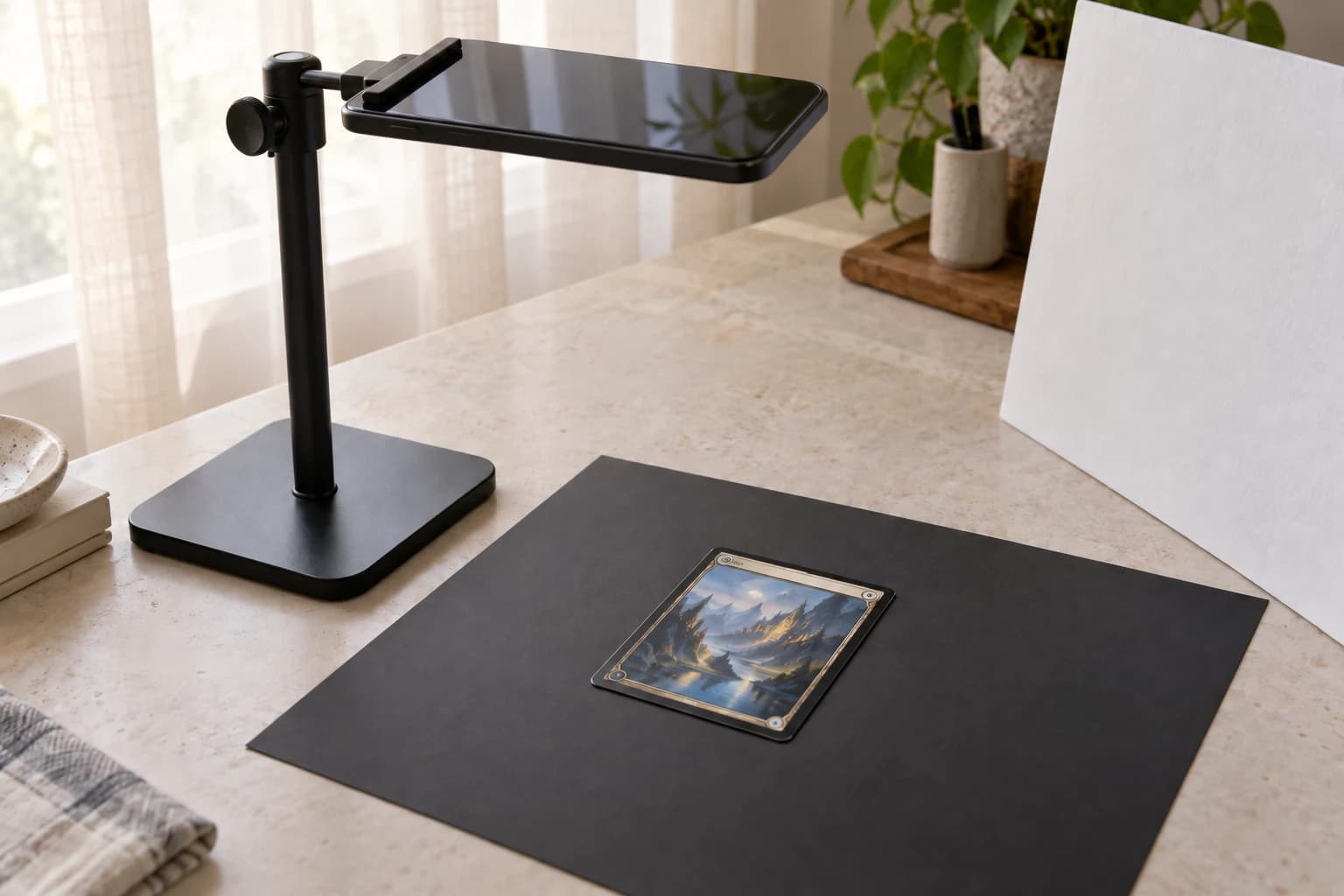
If the cards are high-value, carry a basic list: card name, set, grade or condition, certification number if graded, and a photo. It is useful for insurance, sale records, and simply knowing what you brought.
Handle cards slowly at the destination
Most travel damage happens when people are tired, excited, or trying to move quickly. At a show or trade night, create a small routine before cards come out: clean surface, dry hands, enough space, no food or drinks nearby.
Open one box or binder at a time. Put cards back before starting the next conversation. If someone else handles a card, hand over the holder, not the raw card. For signatures, patches, rookies, and other condition-sensitive cards, the handling rules matter even more. We covered that in how to protect rookie cards, autographs, and patch cards.
Shipping cards home
Sometimes the safest way home is not in the same bag. If you buy more than expected or sell part of the collection, pack deliberately. Use a sleeve, rigid holder, team bag, padding, and a box or mailer that cannot bend. Slabs should be wrapped so they do not knock against each other.
Never rely on an envelope alone for anything you care about. A card that travelled safely all weekend can still be ruined by one poor package.
A simple travel checklist
Before leaving, run through the practical list:
- Bring only the cards you need.
- Sleeve every raw card before it leaves home.
- Use rigid holders, slab sleeves, or secure binder pages for valuable cards.
- Pack binders and boxes so they cannot bend, lean, or slide.
- Keep cards out of parked cars, direct sun, rain, and checked luggage.
- Keep drinks, food, and wet items in a separate bag.
- Carry an inventory for valuable cards.
- Repack slowly before you leave the venue.
Travel is not storage. It is controlled movement.
A good travel setup does not have to be complicated. It just has to remove the usual causes of damage: movement, pressure, heat, moisture, and rushed handling. Pack less, protect each card before it moves, and keep the collection close enough that you always know where it is. Then the cards can come with you without the trip becoming the thing that marks them.